Indonesia is a country rich in natural beauty, culture, and traditions, yet its tourism industry still faces significant challenges. Many local communities do not earn sustainable income from tourism, and economic benefits remain unevenly distributed. According to a 2025 report by Kemenparekraf, only 35 out of 6,191 community-based tourism (CBT) villages are considered sustainable. Many villages rely on short-term, trend-driven attractions that lack authenticity, leading to temporary popularity or low visitor numbers. Limited community preparedness and weak governance make it difficult for tourism villages to reach their full potential. Tourism villages need more than high visitor numbers, they need visitors who spend more, stay longer, and come from diverse markets.
Another issue is that some restaurants, hotels, and transport operators deliberately drop prices, ignoring quality while manipulating quantity. This disrupts the market, reducing income for small local enterprises and often forcing them to leave the industry. Some local communities developed educational destinations, such as mangrove conservation sites, which were briefly popular but are now struggling to survive. Many environmental and cultural tours have yet to reach popularity among Western tourists, and most itineraries still focus on commercial activities rather than experience- or culture-based tourism.
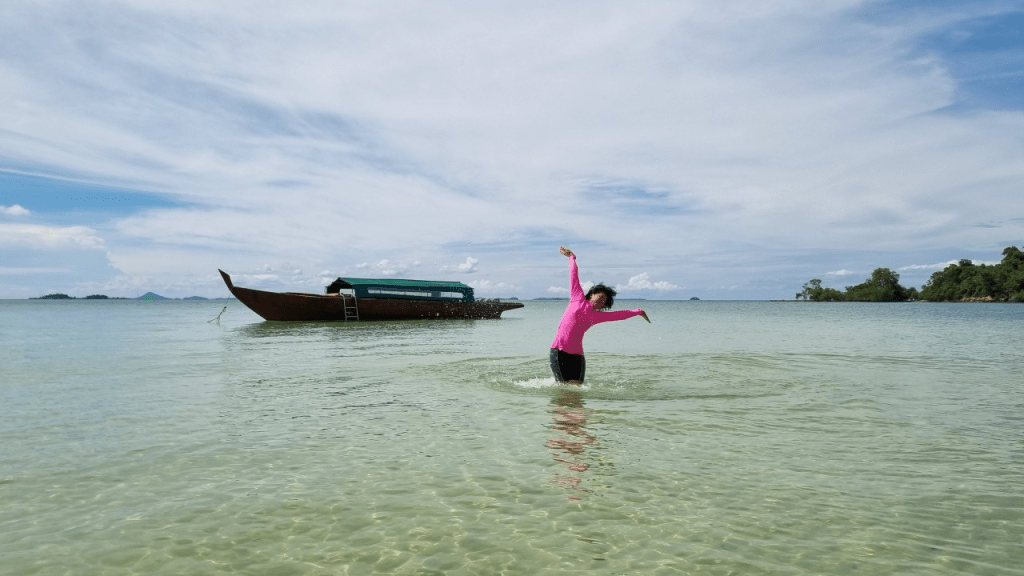
Observing these challenges firsthand inspired me to found my tour company, Batam Travel Planners, in 2016. Through this, I could explore the tourism industry creatively, designing private, personalized tours that go beyond conventional attractions. I introduced experience-based packages, visiting traditional villages (kampung tua) where tourists observe brick-making practices passed down through generations, and guided explorations of community-managed mangrove forests, highlighting the link between environmental conservation and local livelihoods. Snorkeling and island-hopping trips also proved popular, showing that tourists from Southeast Asia and Western countries are eager for authentic, immersive experiences enjoying coral reefs, fresh coconuts, and home-cooked local cuisine.
These tours generated additional income for local fishermen, who became snorkeling guides, and improvements suggested by tourists for cleaner environments, better docking and shower facilities, and food safety measures enhanced the quality of the experiences. Through these initiatives, tourism gradually shifted toward culturally immersive and environmentally responsible experiences, benefiting both visitors and local communities. This work has been one of my proudest achievements, as it demonstrates how tourism can create sustainable opportunities while preserving culture and nature.
As part of the young generation, we have a responsibility to develop tourism within our communities, creating opportunities for local guides and small businesses, implementing smart CBT models that assess risks and potential, and using our skills and networks to connect government, organizations, and academia.
By combining community-based tourism, sustainability, and smart technology, Indonesia can build tourism that is enjoyable for visitors, profitable for local communities, and respectful of the environment and culture. This is the future we, as the next generation, must help shape ensuring tourism benefits both people and places that make Indonesia unique. Batam Tourism Information
 Dora Sinaga's Portfolio
Leave a comment