Yesterday was very hot, around 32°C, so I decided to go to a mall to cool down. I walked around for a while and did some window shopping. I bought a pair of flat shoes because I don’t feel comfortable wearing flip flops that expose my toes.
Since I just arrived in Indonesia, I can really feel how different the environment, weather, and people are. The mall was very crowded, especially because a big Islamic celebration is coming soon. People were busy buying new clothes, desserts, and even jewelry.
In Indonesia, buying new clothes and preparing desserts for celebrations, especially during Eid al-Fitr, is a long standing tradition. It represents a fresh start after Ramadan, a time when people focus on spiritual reflection and self improvement. Wearing new clothes is a way to express happiness and hope for a better year. Families also prepare special meals and gather together to celebrate. Because of this, shopping areas become especially crowded before the celebration.
As expected, the mall felt overwhelming. There was almost no personal space, particularly in the clothing and shoe sections. I decided to head home, but before leaving, I stopped at a dessert shop to buy a pie.
The shop itself was quite interesting. The kitchen was open, allowing customers to see how the cakes and pies were made, which created a sense of transparency and engagement. The cashier was also dressed like a head chef, which added a unique touch to the experience.
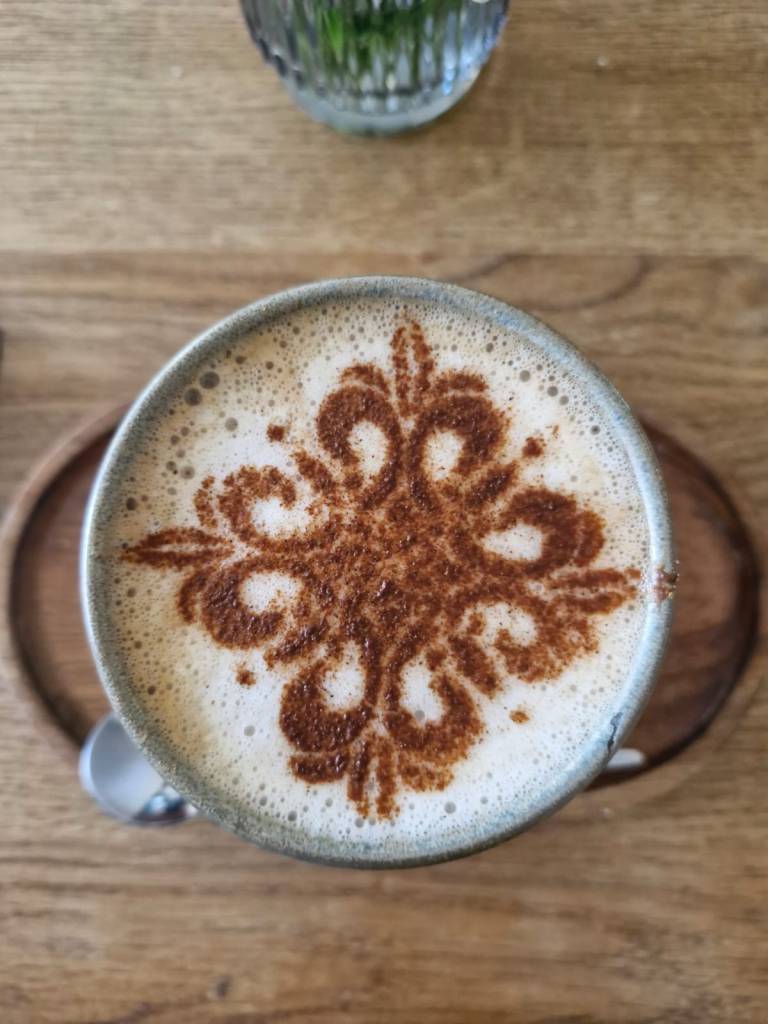
I ordered two pies and paid, then stepped aside to wait. However, something unexpected happened. Instead of preparing my order, the cashier began serving a young couple who had arrived after me. She spent around seven minutes assisting them as they tried to decide which tumbler to buy.
At that moment, I felt increasingly impatient. It was not just about the waiting time, but the sense that the order of service was not respected. I chose to remain quiet at first, noticing that the cashier seemed young and possibly new. I tried to be understanding, thinking that she might still be learning.
Only after the couple left did she finally prepare my order. By then, I felt it was necessary to say something. I calmly explained that I had arrived and paid first, and that my order would have taken only a short time to complete.
Reflecting on this experience, it highlights how small service decisions can significantly affect customer perception. In a busy and high pressure environment, especially during festive seasons, staff may feel overwhelmed and shift their attention to different customers without realizing the impact. However, from a customer’s perspective, fairness and acknowledgment are essential. Being served in the correct order is not just an operational matter, but also a sign of respect.
This situation also shows the importance of training and awareness in customer service. Even in a crowded setting, maintaining a clear sense of priority and b
riefly acknowledging waiting customers can prevent frustration. A simple action, such as completing a quick order before moving on or offering a short explanation, can greatly improve the overall experience.
Ultimately, what stood out to me was not only the delay itself, but how easily a positive experience in an otherwise interesting and engaging shop could be affected by a small lapse in service attention.
 Dora Sinaga's Portfolio
Leave a comment